December 1, 2025
7 Proven Ways to Reduce Packaging Errors and Improve Production Accuracy
Packaging may be the final step in manufacturing — but it’s often the most decisive.
A small mistake in sealing, labeling, weighing, or material handling can trigger product recalls, rejected consignments, customer complaints, and expensive rework.
In highly competitive sectors like food, FMCG, pharmaceuticals, and consumer goods, packaging accuracy isn’t optional — it’s a brand promise.
After years of observing packaging lines across various manufacturing environments, here are seven proven, practical, and scalable ways to minimize packaging errors.
1. Automate Critical Packaging Operations
Manual tasks introduce inconsistency — especially under pressure or high output.
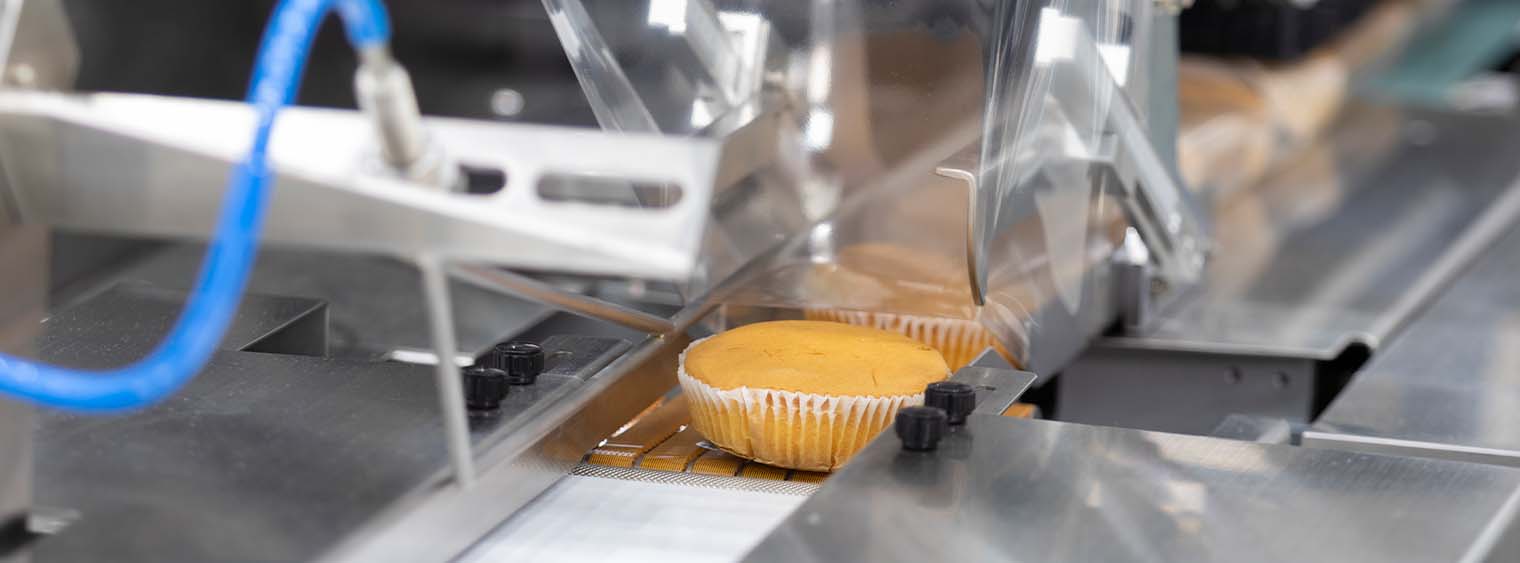
Automation helps ensure:
- precise fill weight
- uniform sealing and cutting
- correct labeling and coding
- controlled product flow
Vision inspection, checkweighers, and servo-driven packaging machines reduce variability and human dependency, preventing recurring accuracy issues.
2. Choose Packaging Materials Based on Performance
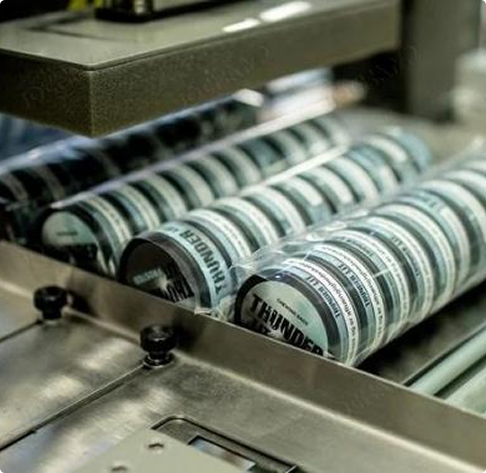
The wrong material causes more packaging failures than machine faults.
Before finalizing, evaluate:
- stretch, tear, and sealability
- compatibility with your product (moisture, oil, acidity)
- strength during stacking and transport
- machinability at required production speeds
Well-tested materials reduce deformation, leakage, and seal failure — especially in high-speed lines.
3. Calibrate Filling, Sealing & Coding Equipment Regularly
Even the best machines drift over time.
Scheduled calibration ensures:
- accurate product weight
- consistent seal temperature & pressure
- readable expiry & batch prints
- correct barcode placement and scanning
Preventive calibration is far cheaper than product recalls or rework.
4. Standardize Processes With Clear Visual SOPs
Written instructions alone don’t guarantee consistency — visual guidance does.
Use:
- step-by-step posters at workstations
- color-coded material labeling
- QR codes linking to training videos
- illustrated “correct vs. incorrect” samples
When everyone follows the same workflow, deviation — and error — drops significantly.
5. Strengthen Operator Training & Line Awareness
Technology doesn’t eliminate human involvement — it changes it.
Training should cover:
- machine setup & changeovers
- recognizing early signs of defects
- material handling best practices
- safety & hygiene compliance
Regular refreshers ensure operators stay confident, alert, and error-conscious.
6. Track Production Data in Real Time
Packaging errors leave patterns — data exposes them.
Digital monitoring enables:
- early detection of rising reject rates
- root-cause identification
- predictive maintenance alerts
- faster response during abnormalities
Instead of discovering mistakes post-production, teams can intervene while the line is running.
7. Follow a Preventive Maintenance Plan
Most packaging issues don’t start suddenly — they develop slowly.
Scheduled maintenance helps maintain:
- sharp cutting blades
- smooth film unwinding
- accurate sensing & detection
- strong, uniform sealing
- stable conveyor movement
Well-maintained equipment not only reduces downtime — it safeguards packaging consistency.
Why Minimizing Packaging Errors Matters
Because the consequences go beyond defects:
✅ lower operational costs
✅ less product waste & rework
✅ faster production throughput
✅ fewer customer complaints
✅ reliable brand perception
✅ stronger supply chain performance
Packaging accuracy directly influences profitability and long-term customer trust.
Final Thoughts
Reducing packaging errors isn’t about a single tool, machine, or SOP — it’s about building a system where design, material selection, people, equipment, and data work together.
Manufacturers that prioritize packaging excellence don’t just produce better products — they build stronger brands.